
Find Your Voice. Write With Confidence.
From essays to AP prep to creative storytelling, I help middle school through college writers build real skills, real confidence, and a voice that’s actually theirs.
Writing Support That Actually Works
(For Real Students, Not Perfect Ones)
Most students don’t struggle because they’re “bad writers.” They struggle because no one has shown them how to write in a way that makes sense to them. That’s where I come in.
Strategy Over Guesswork: No more staring at a blank page. Students learn how to start, structure, and develop their ideas step-by-step.
Feedback That Makes Sense: Not red ink. Not overwhelming edits. Just clear, supportive feedback they can actually use.
Confidence First: Strong writing starts with confidence. Students learn to trust their ideas and build skills that stick.
Voice Over Perfection: We’re not chasing perfect essays—we’re building real writers with voices that sound like them, not a template.
Because writing isn’t about getting it “right” the first time—
it’s about learning how to think, revise, and grow.

Choose Your Path
Every writer learns differently, and growth doesn't happen in a single way or at a single pace. I offer flexible support options designed to meet students where they are—whether they need individualized guidance, the motivation of learning alongside peers, or resources they can return to again and again. The goal is always the same: steady progress, growing confidence, and writing that feels manageable and meaningful.
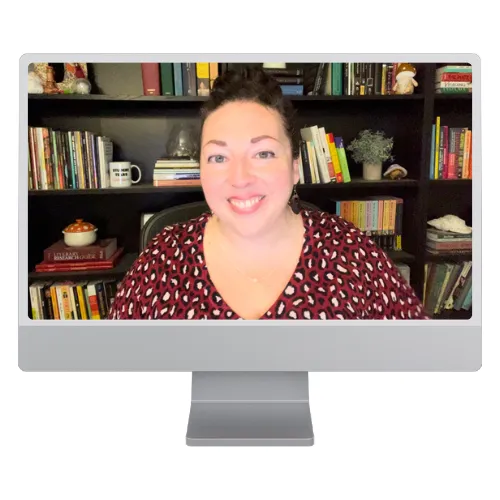
LIVE PRACTICE
Workshops
Skill-based workshops that help students analyze, organize ideas, write stronger essays, and approach writing with confidence.
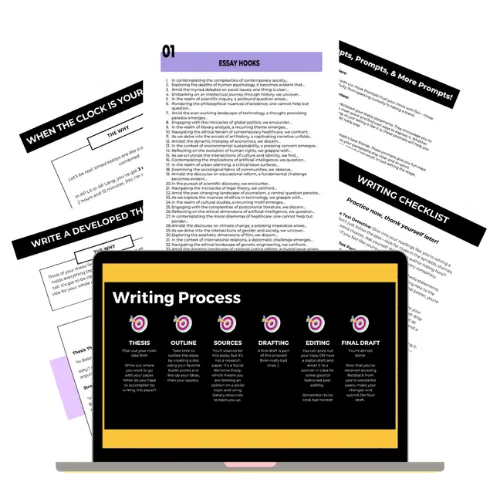
COURSES & RESOURCES
Writing Studio
Writing courses & digital resources with hands-on instruction & writing practice for MS, HS, and college students.
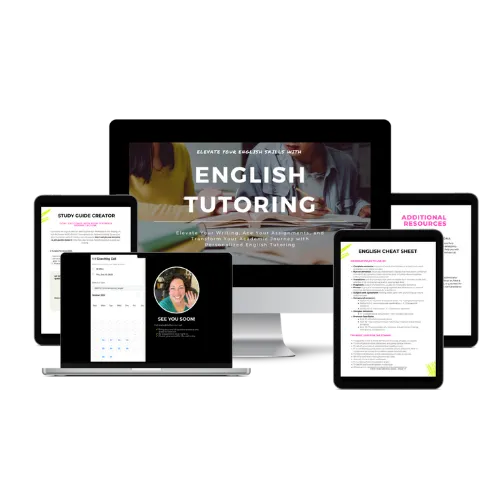
1:1 SUPPORT
Writing Mentorship
Personalized support for essays, AP writing, and academic skills- all tailored to your student’s individual needs and pace.
From Stuck to Confident Writers
Over the years, I’ve worked with students at every level—from reluctant writers to AP and college students. Here’s what that growth looks like.
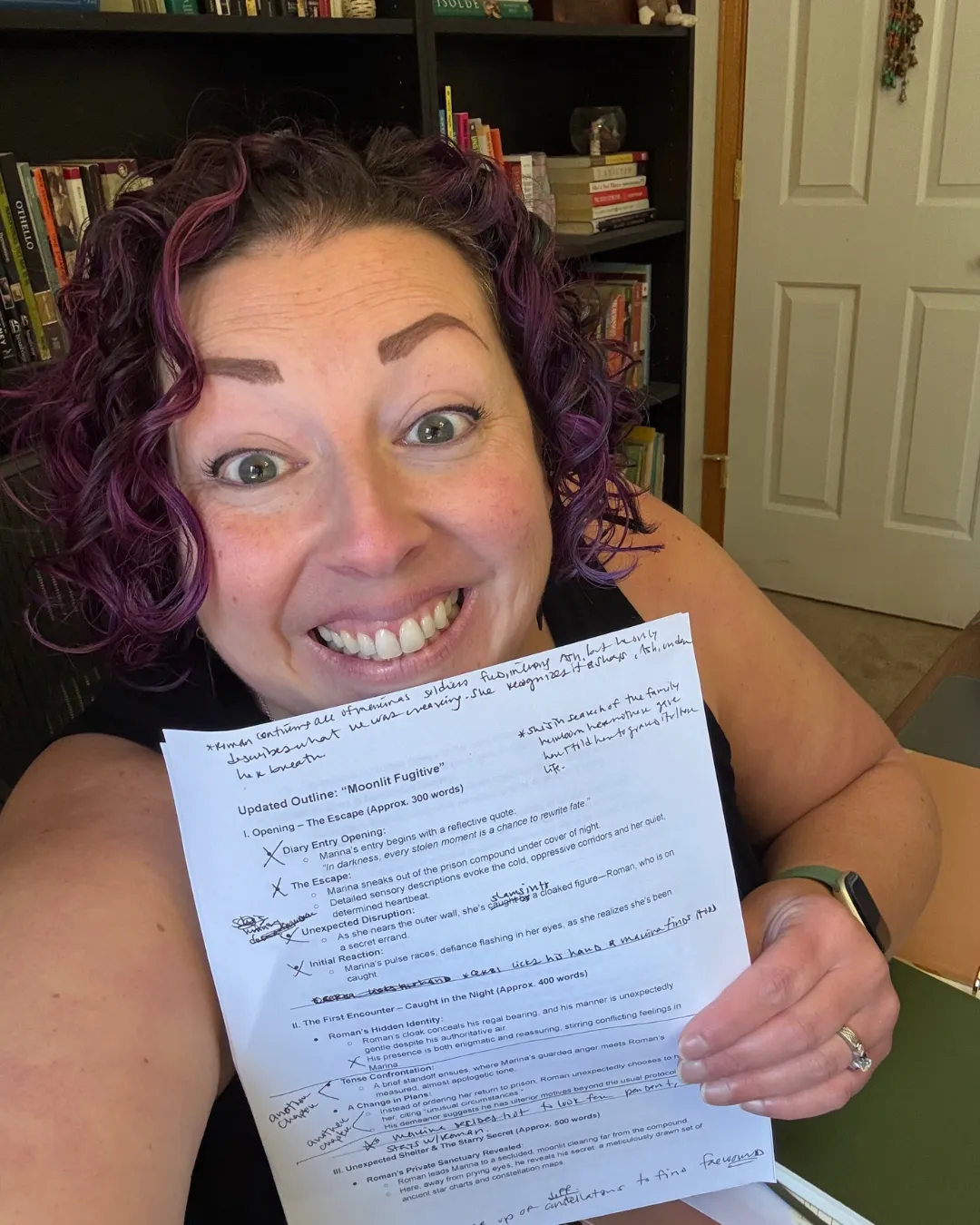
Hi, I'm Diana!
I work with writers the way writing actually happens: through practice, patience, and encouragement. Instead of focusing on perfection or quick fixes, I help writers learn how to start when writing feels hard, revise without getting overwhelmed, and build confidence through steady progress. My goal is to make writing feel more manageable and to help writers trust themselves in the process.
With over 17 years of experience supporting middle school, high school, and college writers, I've seen that confidence grows when writers feel supported, not pressured. Whether we're working on essays, analysis, or creative projects, I offer clear guidance, thoughtful feedback, and practical strategies writers can return to again and again. Writing With Diana is a supportive space where writers are encouraged to try, revise, and grow—one draft at a time.
Start Here
Stop Summarizing. Start Thinking
Struggling with writing doesn’t mean a student can’t write. It usually means they don’t know what to do next. This FREE workbook helps uncover the missing steps, build confidence, and make the writing process manageable.
Writing With Diana: A Blog for Writers
If writing ever feels confusing or frustrating, writers aren’t alone. Writing With Diana helps writers build confidence and real writing skills through clear guidance, real examples, and strategies that actually work.

Shifting Perspectives: How Point of View Shapes Your Narrative Voice
Shifting Perspectives: How Point of View Shapes Your Narrative Voice
Ever read the same story in first person and thought, “Whoa—that feels like a diary”? Then you peeked at the close third and thought, “Now it’s a whisper in my ear”? That’s the magic (and maddening power) of narrative point of view: it colors your authorial voice, controls intimacy, and dictates what your reader knows (and when).
In my years as a teacher, coach, and first-gen writer juggling English and Portuguese, I’ve learned that choosing the right POV is like picking the perfect lens: each shift brings its own focus, distortion, and emotional depth. Let’s unpack how you can experiment with POV to find the best frame for your story—and infuse every word with unmistakable voice.
First-Person: Your "I" in the Room
When I drafted my first memoir of poems in first person, I was stuck on a single poem for weeks because “I did this, I felt that” made every sentence feel repetitive. My breakthrough came during a late-night writing sprint: I flipped to close third just to get unstuck, and the next morning rewrote the chapter in first person with fresh insights. That switch forced me to trust my reader and freed me to write beyond endless “I felt” loops. That trust is one of the hardest things to offer your reader...
Effect: Maximum intimacy—readers live inside your protagonist’s head.
Pitfalls: Can feel self-absorbed; you’re limited to what “I” sees, knows, or misinterprets.
Example A (Diary Confessional):
I crossed the old bridge at dawn—
each plank groaned beneath my weight.
Salt kissed the wind,
and I heard Mom’s echo:
“Volta pra casa.”
I slowed,
wishing I’d listened sooner.
Example B (Action-Packed):
I lunged for the window latch—
frozen, unmoving.
My pulse thundered in my ears:
no time to hesitate.
Stay, and they’d find me.
Stay, and there’d be no escape.
Close Third-Person: The "She/He" Whisper
What It Is & Why It Works:
Close third-person places you just a few steps away from first-person intimacy—enough distance to describe physical details or shift focus, yet close enough to slip inside a character’s thoughts and emotions. It feels like an invisible narrator walking alongside your protagonist, whispering their fears, hopes, and observations in your ear.
When to Use It
Emotional Depth: You want to reveal inner conflict without “I” statements.
Scene Control: You need to describe actions or settings your main character notices (or ignores).
Multiple Viewpoints: You’ll follow other characters later, but each deserves a distinct, contained perspective.
Key Pitfall—Head-Hopping
Because you can dip into any mind, it’s tempting to skim across characters in a single scene. To avoid disorienting your reader:
Anchor Every Paragraph: Begin with your point-of-view character’s name or a clear sensory detail tied to them.
Limit Thought Access: Only reveal the thoughts or feelings of the current POV character—others remain external observers until you switch scenes.
Use Section Breaks: If you need another character’s inner world, consider a new scene or chapter.
Example A (Emotional Focus)
Maria slipped a note into her pocket, fingers trembling. She hated hiding things, but this secret was hers alone.
Why It Works: We feel Maria’s anxiety directly—her trembling fingers echo her emotional stakes—without “I” statements.
Example B (Cross-Character Glimpse)
Maria slipped the note into her pocket. Across the courtyard, Luis paused mid-stride, sensing her unease—though he’d never admit why.
Why It Works: We stay inside Maria’s world but get a 360° moment: Luis’s silent reaction heightens tension and hints at a deeper connection, all while preserving clear POV boundaries.
Omniscient Narrator: All-Knowing Storyteller
In my experimental flash fiction class, I tried omniscient for the first time. My draft felt like a history lecture—until I gave the narrator playful asides (“which, frankly, Tia Maria found maddening”). That small dash of sarcasm saved the piece.
Effect: Total freedom—you can float above, inside, and around any character. Ideal for epic scopes or ensemble casts.
Pitfalls: Can feel detached or preachy if the voice isn’t distinctive.
Example Scene (Omniscient):
The taxi slipped into the night, leaving Maria to stew in her regrets and hidden defiance. Across town, her father polished his old radio, unaware that his words would shatter her resolve in the morning.
Second-Person: You as Protagonist
Second-person POV addresses the reader directly as “you,” placing them at the heart of the action. It creates an immediate connection—like stepping into the character’s shoes—making every decision, emotion, and danger feel personal.
When to Use It
Flash Fiction & Vignettes: A quick, immersive jolt.
Introspective Passages: Exploring internal conflicts or emotional beats.
Interactive Pieces: Choose-your-own-adventure or guided writing prompts.
Key Pitfall—Gimmick Risk
Because it’s unusual in longer narratives, second person can feel forced or gimmicky if overused or if the voice lacks confidence. Keep it concise, purposeful, and infused with vivid detail.
Example A (Intimate Moment)
“You press your palm to the window, tracing the raindrops as they race each other down the glass.”
Why It Works: You inhabit the quiet tension of the moment—every drop, every fingertip, is yours to feel.
Example B (High Stakes)
“You tighten your grip on the rope, every muscle screaming. One false move and you’ll plummet into darkness.”
Why It Works: The danger becomes your own; the urgency is in your veins, not just on the page.
Quick Tip:
Short & Sharp: Limit second person to a paragraph or two.
Sensory Anchors: Ground “you” in vivid sensory details to avoid abstraction.
Purpose-Driven: Use it when you want readers to experience a moment viscerally—then switch back to your main POV to maintain narrative momentum.
Harness second person sparingly and watch your readers step right into your story.
Blending POV: Bold Storytelling
Writers like Toni Morrison and Haruki Murakami seamlessly shift POV to highlight different facets of their narratives. You can too—but label each shift with a clear break or section header to avoid reader whiplash.
Your Turn: Choose a short scene and rewrite each paragraph from a different POV—first person, close third-person, second person—then reflect:
Which lines felt cramped?
Where did your writing style shine brightest?
First-Gen Translation Twist
As a first-generation writer, I sometimes blend languages to convey what English can’t. In close third person, I might write:
She slipper her father’s letter into her notebook and whispered “Tenho suas saudades” letting the word settle like a sigh in her chest.
That single code-switch lets my narrative voice carry cultural weight without footnotes.
Your Challenge This Week:
Select One Scene: Rewrite it in two different POVs.
Record Your Reactions: Which version felt like “you” and why?
Share & Compare: Post excerpts in your writing circle and discuss how POV affected voice, clarity, and reader engagement.
Mastering point of view is about more than grammar—it’s about choosing the heartbeat of your narrative. Experiment boldly, listen to what feels true, and watch your storytelling voice come alive in every perspective.
🖤 Diana
📌 Follow my journey & get exclusive writing resources:
🔗 Join my newsletter
📚 Explore my resources
📖 Follow me on Instagram
Remember you don't need more words. You just need better ones.

Frequently Asked Question
General Questions
What subjects do you offer tutoring in?
I offer English tutoring across all grade levels, from middle school through college, including AP Lit and AP Lang test preparation and support in key areas such as reading comprehension, academic and creative writing, grammar and composition, rhetorical analysis, and research skills.
Are sessions conducted online or in-person?
All tutoring sessions and live classes are online.
Can I customize the tutoring schedule?
Yes! I offer flexible scheduling to fit your availability, ensuring that learning fits seamlessly into your student's routine.




© 2026 Diana Firestone Term & Conditions Privacy Policy Disclaimers