
Find Your Voice. Write With Confidence.
From essays to AP prep to creative storytelling, I help middle school through college writers build real skills, real confidence, and a voice that’s actually theirs.
Writing Support That Actually Works
(For Real Students, Not Perfect Ones)
Most students don’t struggle because they’re “bad writers.” They struggle because no one has shown them how to write in a way that makes sense to them. That’s where I come in.
Strategy Over Guesswork: No more staring at a blank page. Students learn how to start, structure, and develop their ideas step-by-step.
Feedback That Makes Sense: Not red ink. Not overwhelming edits. Just clear, supportive feedback they can actually use.
Confidence First: Strong writing starts with confidence. Students learn to trust their ideas and build skills that stick.
Voice Over Perfection: We’re not chasing perfect essays—we’re building real writers with voices that sound like them, not a template.
Because writing isn’t about getting it “right” the first time—
it’s about learning how to think, revise, and grow.

Choose Your Path
Every writer learns differently, and growth doesn't happen in a single way or at a single pace. I offer flexible support options designed to meet students where they are—whether they need individualized guidance, the motivation of learning alongside peers, or resources they can return to again and again. The goal is always the same: steady progress, growing confidence, and writing that feels manageable and meaningful.
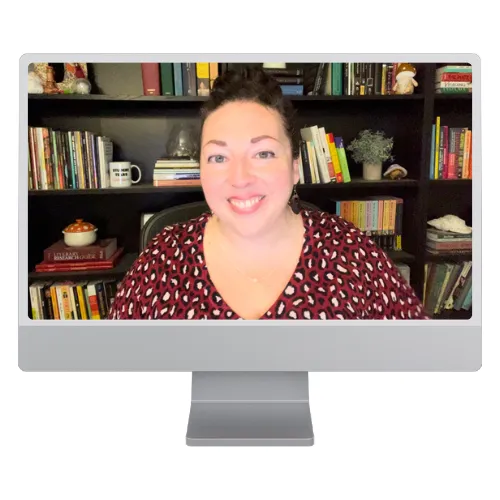
LIVE PRACTICE
Workshops
Skill-based workshops that help students analyze, organize ideas, write stronger essays, and approach writing with confidence.
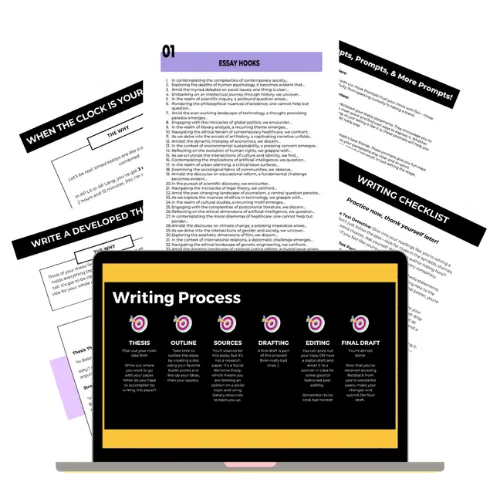
COURSES & RESOURCES
Writing Studio
Writing courses & digital resources with hands-on instruction & writing practice for MS, HS, and college students.
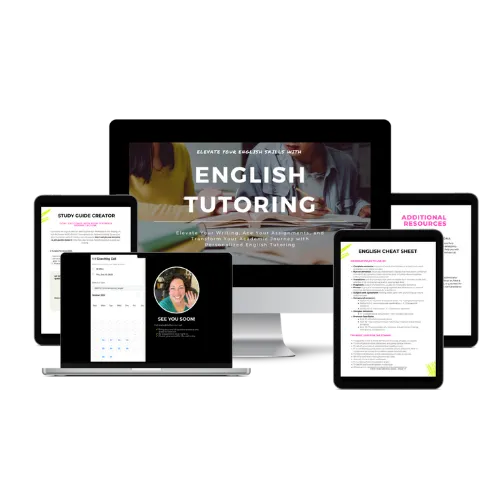
1:1 SUPPORT
Writing Mentorship
Personalized support for essays, AP writing, and academic skills- all tailored to your student’s individual needs and pace.
From Stuck to Confident Writers
Over the years, I’ve worked with students at every level—from reluctant writers to AP and college students. Here’s what that growth looks like.
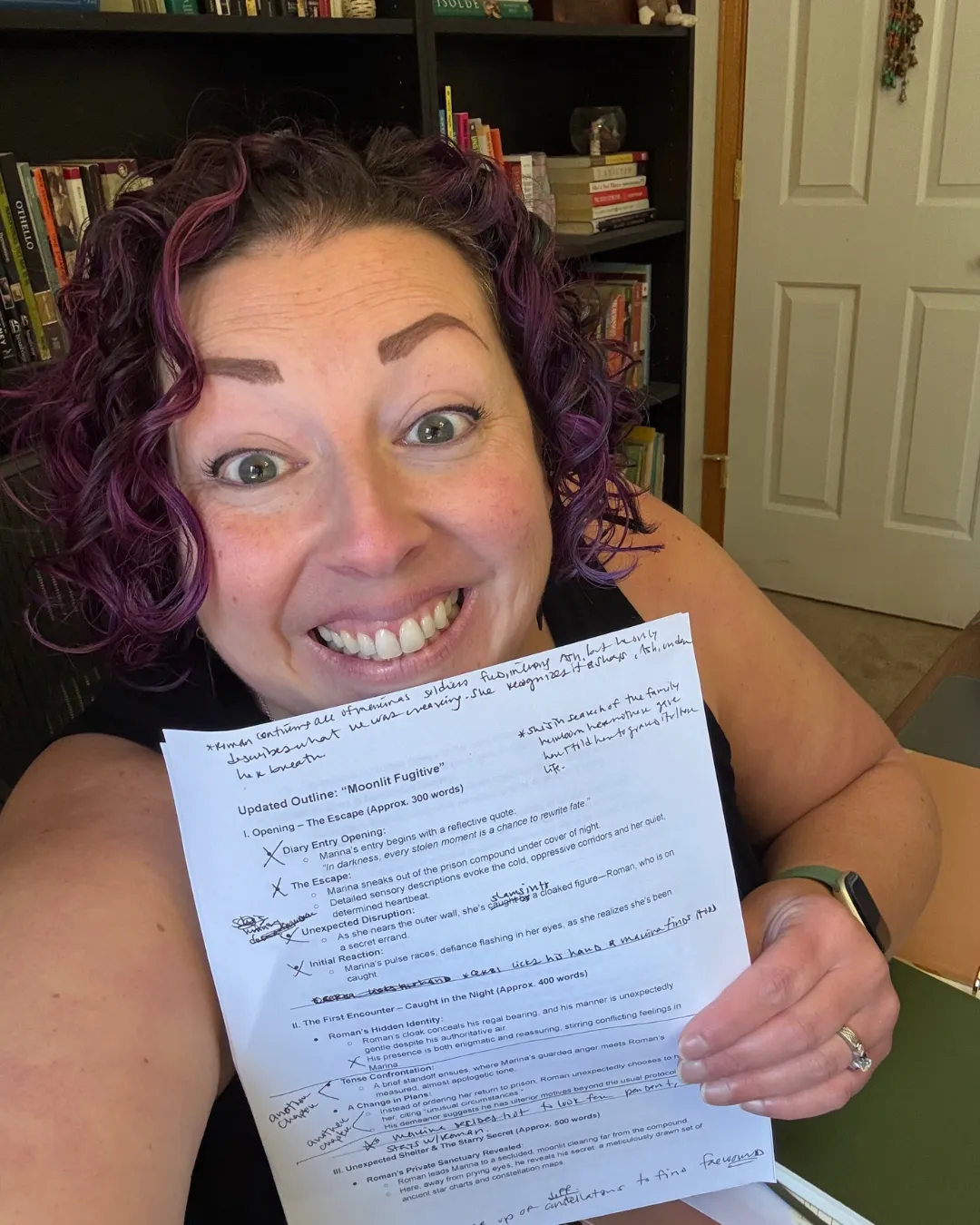
Hi, I'm Diana!
I work with writers the way writing actually happens: through practice, patience, and encouragement. Instead of focusing on perfection or quick fixes, I help writers learn how to start when writing feels hard, revise without getting overwhelmed, and build confidence through steady progress. My goal is to make writing feel more manageable and to help writers trust themselves in the process.
With over 17 years of experience supporting middle school, high school, and college writers, I've seen that confidence grows when writers feel supported, not pressured. Whether we're working on essays, analysis, or creative projects, I offer clear guidance, thoughtful feedback, and practical strategies writers can return to again and again. Writing With Diana is a supportive space where writers are encouraged to try, revise, and grow—one draft at a time.
Start Here
Stop Summarizing. Start Thinking
Struggling with writing doesn’t mean a student can’t write. It usually means they don’t know what to do next. This FREE workbook helps uncover the missing steps, build confidence, and make the writing process manageable.
Writing With Diana: A Blog for Writers
If writing ever feels confusing or frustrating, writers aren’t alone. Writing With Diana helps writers build confidence and real writing skills through clear guidance, real examples, and strategies that actually work.
The Best Books to Read Before AP Literature
The Best Books to Read Before AP Literature (And How to Actually Read Them Like an AP Student Without Letting the TBR Get Out of Control)

AP Literature isn’t about memorizing classic novels or collecting the “right” books. It’s about learning how writers create meaning. Here’s how to use your summer reading to build the skills you’ll actually need.
Every summer, students preparing for AP Literature ask some version of the same question:
“What books should I read before AP Lit?”
Usually, they expect a checklist: read Shakespeare, read Dickens, read every classic novel written before 1950, and spend the entire summer buried under a pile of books.
But after 17+ years of teaching English, I can tell you this:
The students who succeed in AP Literature are not always the students who have read the most books.
They’re the students who know how to read deeply.
AP Literature is not a trivia test. You won’t earn points because you remember every character’s name, every plot twist, or every chapter summary.
You earn points because you can explain:
Why did the author make this choice?
How does this moment develop a larger idea?
What does this character’s conflict reveal about human experience?
In other words, strong AP readers stop reading just to find out what happens and start reading to understand why it matters.
How to Read Like an AP Literature Student
Before we talk about books, let’s talk about the skill.
When you read this summer, focus on these four areas:
1. Pay Attention to Character Change
AP Literature loves complexity. That means characters who contradict themselves, want two different things at once, and make questionable choices for understandable reasons.
A common mistake students make is stopping at basic character descriptions:
“She is brave.”
“He is selfish.”
“They are a villain.”
AP readers need to go deeper.
Instead, ask: “Why is this character struggling, and what does that struggle reveal?”
Strong literary analysis usually exists in the tension. A character can be selfish and loving. Powerful and afraid. Confident and insecure.
Real people are complicated, and great literature captures that complexity.
2. Find Themes (Not Just Topics)
One of the biggest mistakes students make is thinking themes are single words.
Examples:
Love
Family
Identity
Power
Those are not themes. Those are topics.
A theme explains what the author is suggesting about that topic.
Instead of: ❌The theme is ambition.
Try: ✓The novel suggests that unchecked ambition can cause people to sacrifice their values in pursuit of success.
That shift from identifying a topic to explaining an idea is where AP-level thinking begins.
If your student understands what happens in a story but struggles to explain what it means, they’re not alone. That jump from summary to analysis is one of the biggest challenges I see with middle school, high school, and AP English students.
Inside my 1:1 Writing Mentorship, we practice exactly that skill: learning how to develop ideas, strengthen analysis, and write with confidence.
Learn more about Writing Mentorship:
https://learn.dianafirestone.com/writing-mentorship
3. Look for Symbols and Patterns
AP Literature students learn to notice repetition.
If something keeps showing up, pay attention.
Look for repeated:
objects
colors
settings
weather
memories
images
conflicts
Authors rarely repeat important details by accident.
Ask: “Why does this keep coming back?”
A green light is rarely just a green light.
A locked room is rarely just a locked room.
A storm is rarely just bad weather.
These patterns often point toward the deeper meaning of the text.
4. Ask Bigger Questions
When students finish a book, they usually ask:
“Did I like it?”
That’s a reader question.
AP Literature asks you to think like a literary scholar.
Instead, ask:
What question about life is this author exploring?
What does this ending reveal?
Why did the author choose to tell the story this way?
How did this character change, and why does that change matter?
Those are the questions that lead to stronger essays.
Books to Read Before AP Literature
Before you download a list of 100 classics, remember:
You do not need to read everything.
Choose 2–3 books that interest you and practice reading them deeply.
The goal isn’t to collect titles.
The goal is to practice thinking.
If You Want Something Shorter
The Great Gatsby— F. Scott Fitzgerald
Great for analyzing:
symbolism
dreams vs. reality
wealth and identity
Ask yourself: What does the novel suggest about chasing an ideal version of the future?
The Strange Case of Dr. Jekyll and Mr. Hyde— Robert Louis Stevenson
Great for analyzing:
duality
identity
repression
Ask yourself: What happens when people hide parts of themselves from the world?
The Metamorphosis— Franz Kafka
Great for analyzing:
alienation
family expectations
identity
Ask yourself: What determines a person’s worth?
If You Love Character-Driven Stories
Their Eyes Were Watching God— Zora Neale Hurston
Great for analyzing:
voice
independence
self-discovery
Ask yourself: How does someone find their identity when others try to define them?
Frankenstein— Mary Shelley
Great for analyzing:
responsibility
ambition
isolation
Ask yourself: Who is responsible for the consequences of creation?
Jane Eyre— Charlotte Brontë
Great for analyzing:
morality
independence
gender expectations
Ask yourself: How does someone stay true to themselves while searching for belonging?
If You Want a Challenge
Hamlet— William Shakespeare
Great for analyzing:
internal conflict
revenge
morality
Ask yourself: What happens when thinking and action work against each other?
Beloved— Toni Morrison
Great for analyzing:
memory
trauma
the past
Ask yourself: How do people carry experiences they cannot leave behind?
The Real Goal Before AP Literature
Your goal this summer is not to become a walking encyclopedia of classic books.
Your goal is to learn how to think like a literary analyst.
Because AP Literature rewards students who can move beyond:
“This happened.”
and start explaining:
“This matters because…”
That is the difference between summary and analysis.
And the earlier students practice that skill, the stronger their writing becomes.
Ready to Read (and Write) Like an AP Student?
Strong AP Literature students aren’t born knowing how to analyze complex texts. They learn how to notice patterns, build arguments, explain evidence, and turn their ideas into strong essays.
Inside my1:1 Writing Mentorship, I help middle and high school students strengthen the skills that matter most:
✓ literary analysis
✓ essay structure
✓ deeper commentary
✓ critical thinking
✓ confident academic writing
Because great writing isn’t about memorizing the “right” answer.
It’s about learning how to develop your own.
Ready to build stronger reading and writing skills before the school year begins?
Learn more about 1:1 Writing Mentorship:
https://learn.dianafirestone.com/writing-mentorship
🖤 Diana
📌 Get exclusive writing resources:
🔗 Join my newsletter
📚 Explore my resources
📖 Follow me on Instagram
Remember you don't need more words. You just need better ones.

Frequently Asked Question
General Questions
What subjects do you offer tutoring in?
I offer English tutoring across all grade levels, from middle school through college, including AP Lit and AP Lang test preparation and support in key areas such as reading comprehension, academic and creative writing, grammar and composition, rhetorical analysis, and research skills.
Are sessions conducted online or in-person?
All tutoring sessions and live classes are online.
Can I customize the tutoring schedule?
Yes! I offer flexible scheduling to fit your availability, ensuring that learning fits seamlessly into your student's routine.




© 2026 Diana Firestone Term & Conditions Privacy Policy Disclaimers