
Find Your Voice. Write With Confidence.
From essays to AP prep to creative storytelling, I help middle school through college writers build real skills, real confidence, and a voice that’s actually theirs.
Writing Support That Actually Works
(For Real Students, Not Perfect Ones)
Most students don’t struggle because they’re “bad writers.” They struggle because no one has shown them how to write in a way that makes sense to them. That’s where I come in.
Strategy Over Guesswork: No more staring at a blank page. Students learn how to start, structure, and develop their ideas step-by-step.
Feedback That Makes Sense: Not red ink. Not overwhelming edits. Just clear, supportive feedback they can actually use.
Confidence First: Strong writing starts with confidence. Students learn to trust their ideas and build skills that stick.
Voice Over Perfection: We’re not chasing perfect essays—we’re building real writers with voices that sound like them, not a template.
Because writing isn’t about getting it “right” the first time—
it’s about learning how to think, revise, and grow.

Choose Your Path
Every writer learns differently, and growth doesn't happen in a single way or at a single pace. I offer flexible support options designed to meet students where they are—whether they need individualized guidance, the motivation of learning alongside peers, or resources they can return to again and again. The goal is always the same: steady progress, growing confidence, and writing that feels manageable and meaningful.
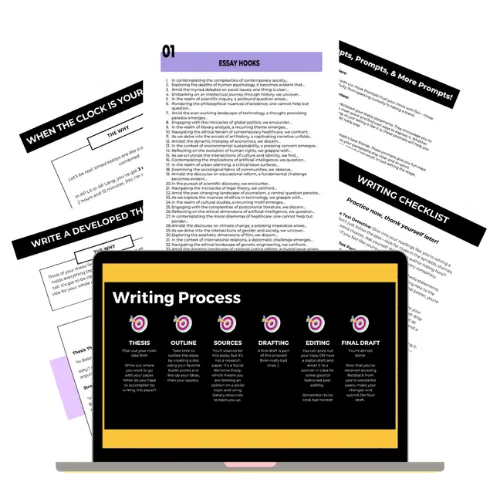
COURSES & RESOURCES
Writing Hub
Writing courses with hands-on instruction & writing practice for MS, HS, and college students.
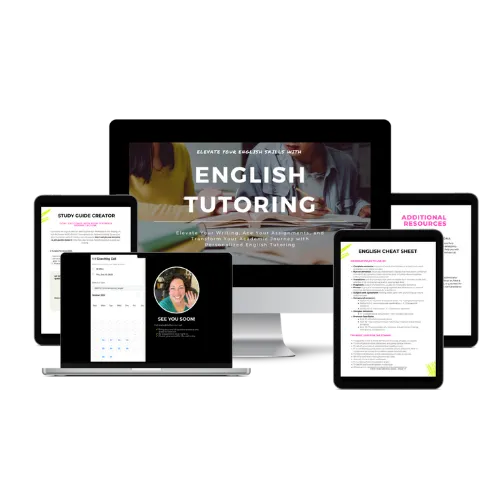
1:1 SUPPORT
Tutoring
Personalized support for essays, AP writing, and academic skills—tailored to your student’s needs and pace.
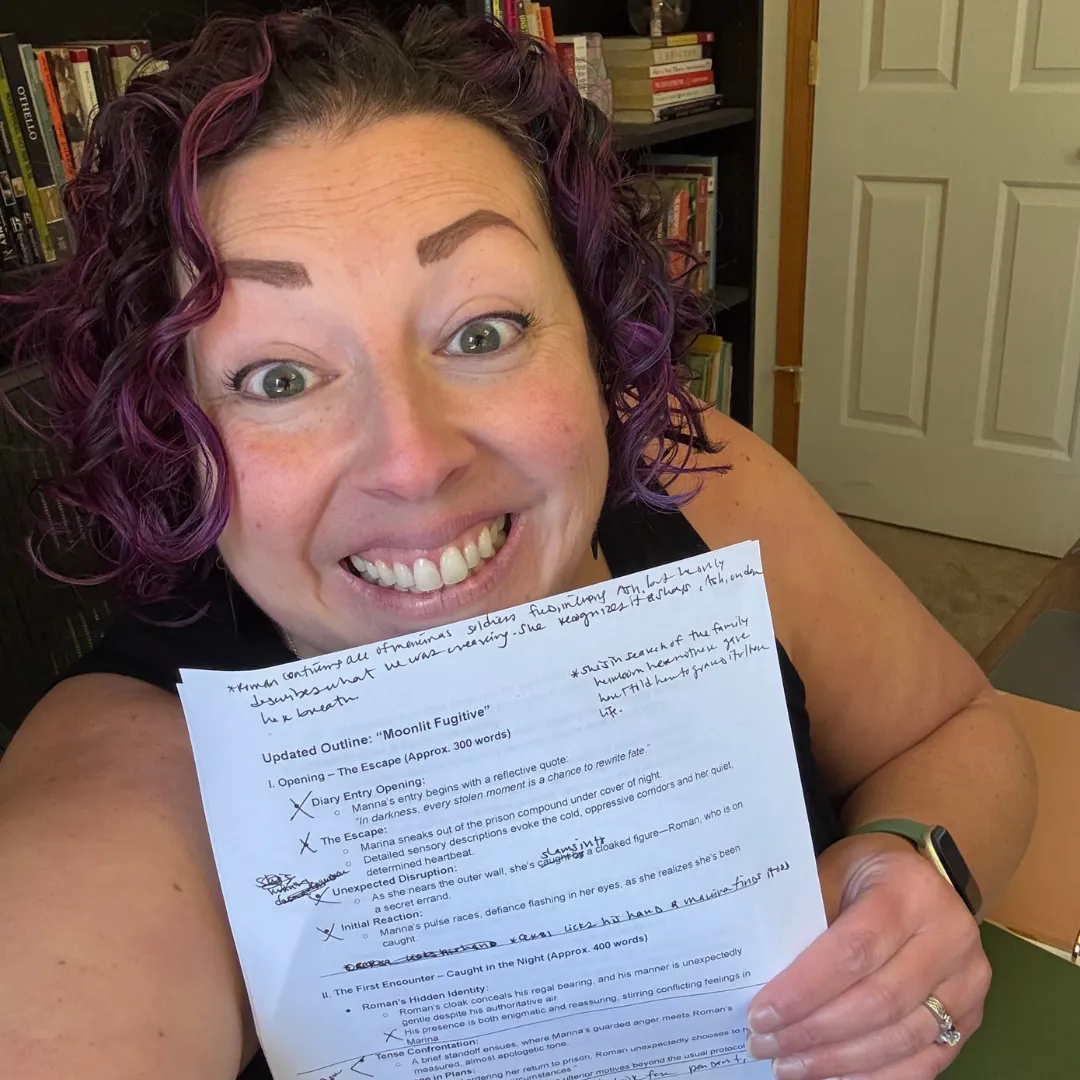
MONTHLY RESOURCES
Patreon
Weekly writing prompts & monthly writing resources designed to help students build confidence

ASYNC EDITING
Feedback
Academic editing and personalized feedback to strengthen clarity, structure, grammar, and writing quality.
From Stuck to Confident Writers
Over the years, I’ve worked with students at every level—from reluctant writers to AP and college students. Here’s what that growth looks like.
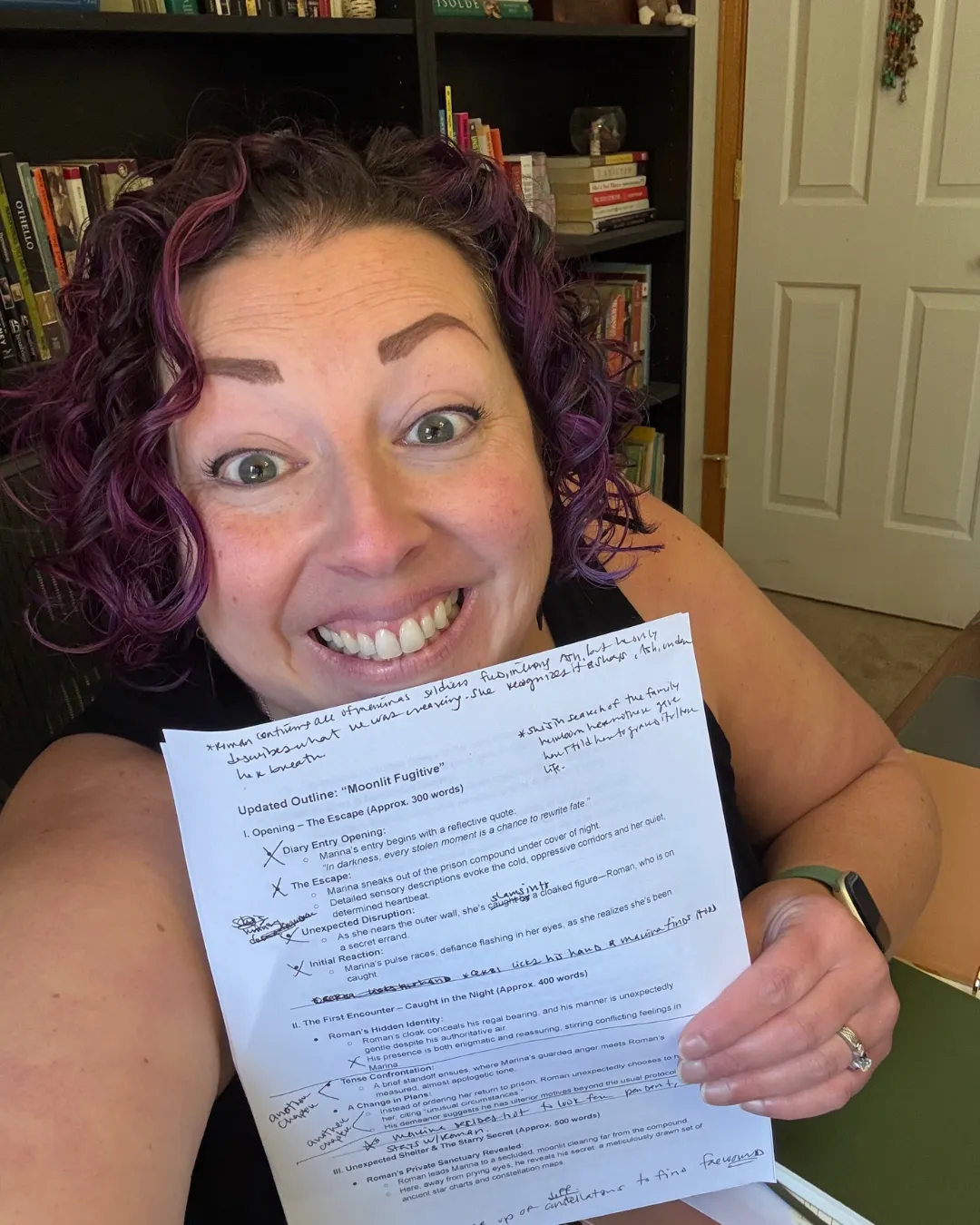
Hi, I'm Diana!
I work with writers the way writing actually happens: through practice, patience, and encouragement. Instead of focusing on perfection or quick fixes, I help writers learn how to start when writing feels hard, revise without getting overwhelmed, and build confidence through steady progress. My goal is to make writing feel more manageable and to help writers trust themselves in the process.
With over 17 years of experience supporting middle school, high school, and college writers, I've seen that confidence grows when writers feel supported, not pressured. Whether we're working on essays, analysis, or creative projects, I offer clear guidance, thoughtful feedback, and practical strategies writers can return to again and again. Writing With Diana is a supportive space where writers are encouraged to try, revise, and grow—one draft at a time.
Popular Resources
Resources for Writers
Guides, activities, and tools designed to support students and educators beyond live instruction. Browse downloadable resources including writing practice materials, creative prompts, and academic supports to reinforce learning at home or in the classroom.

Show It Like You Mean It
Help your writer master show, don’t tell and use vivid details that bring stories to life and keep readers engaged.
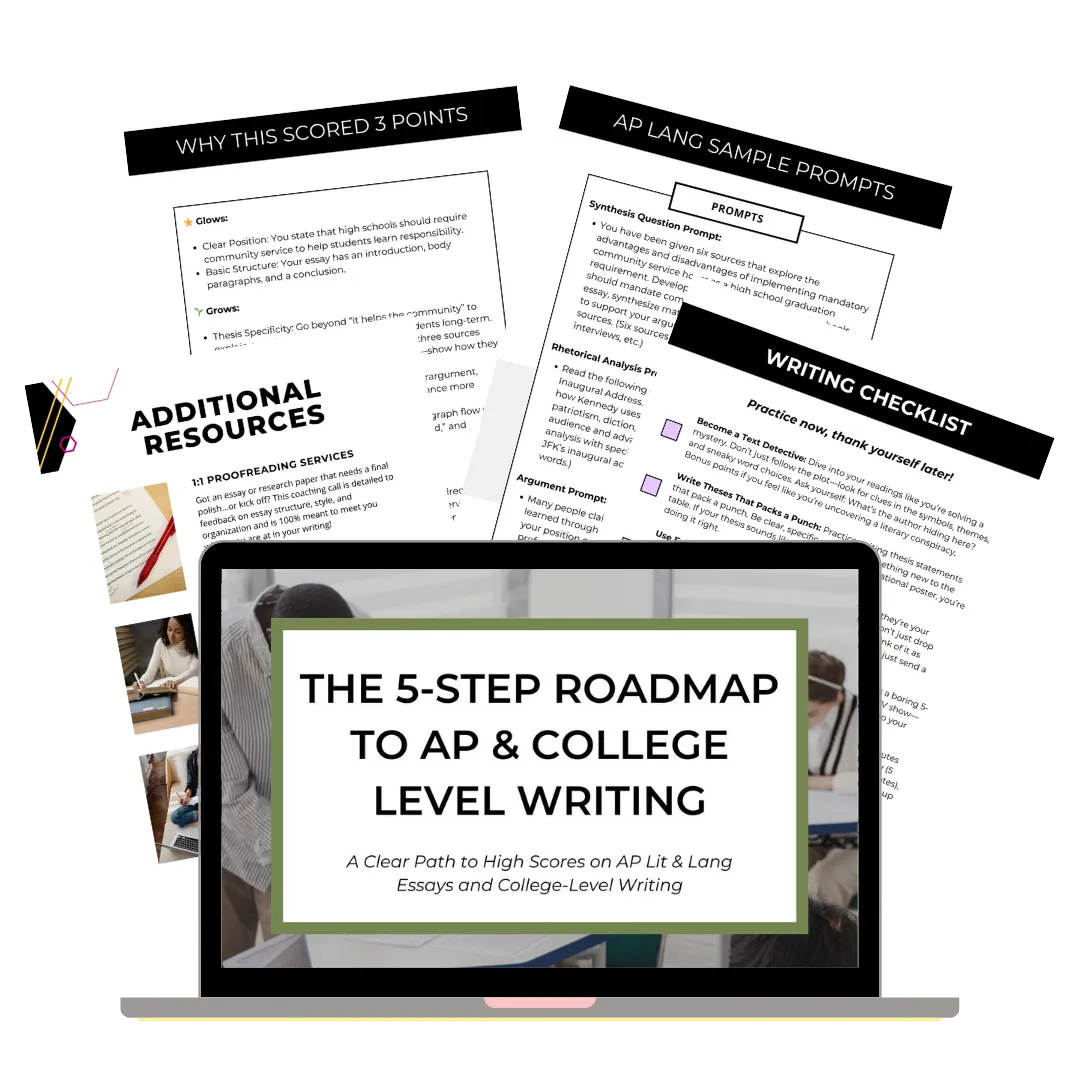
5-Step Roadmap to AP Writing
A clear path to higher AP Lit & Lang essay scores, stronger college-level writing skills, and lasting confidence.
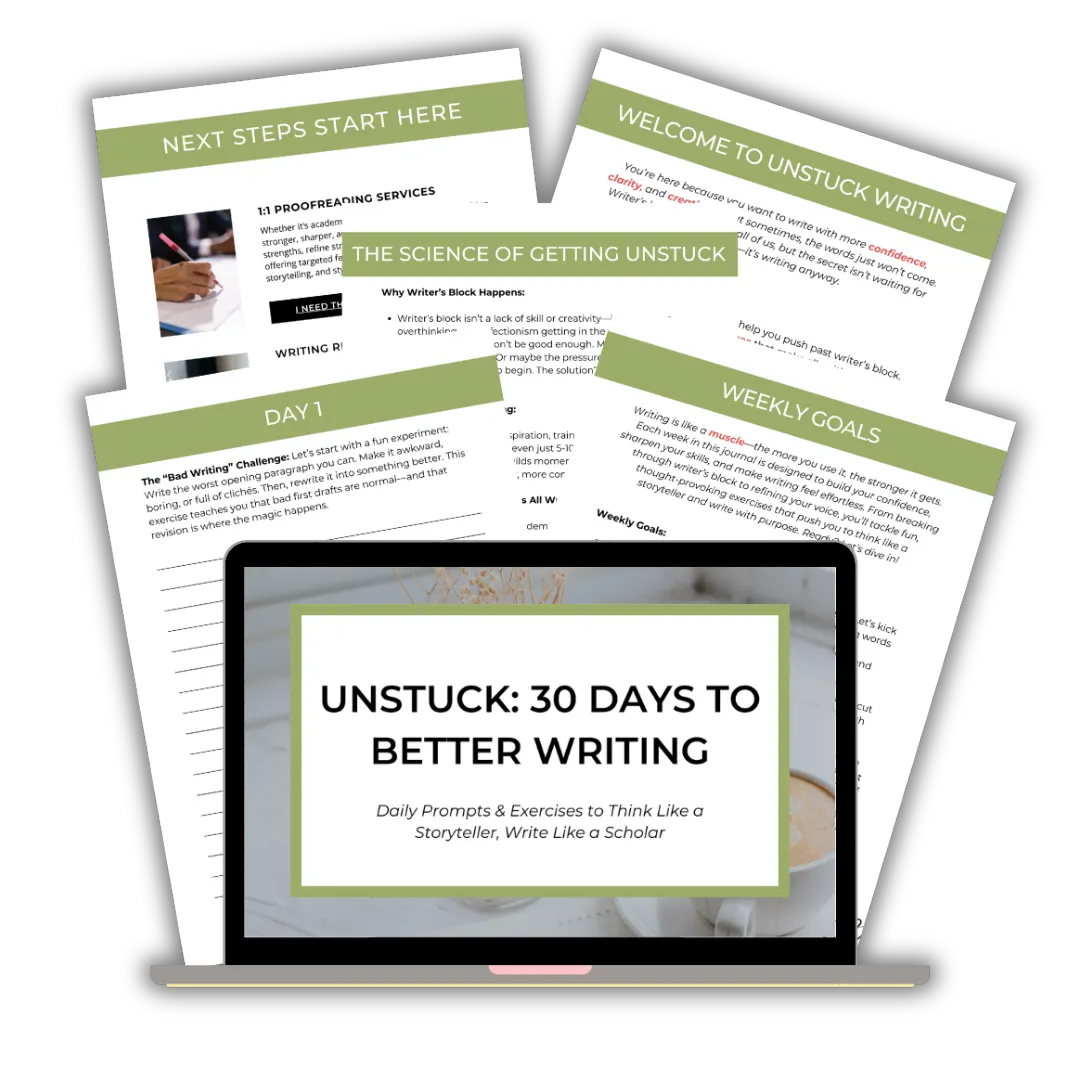
Unstuck: 30 Days of Writing
Daily prompts and exercises to help students get unstuck, build confidence, and write like a storyteller and scholar.
Start here with a few of my favorite tools. Want more?
Dive into the full resource library and keep building your skills.
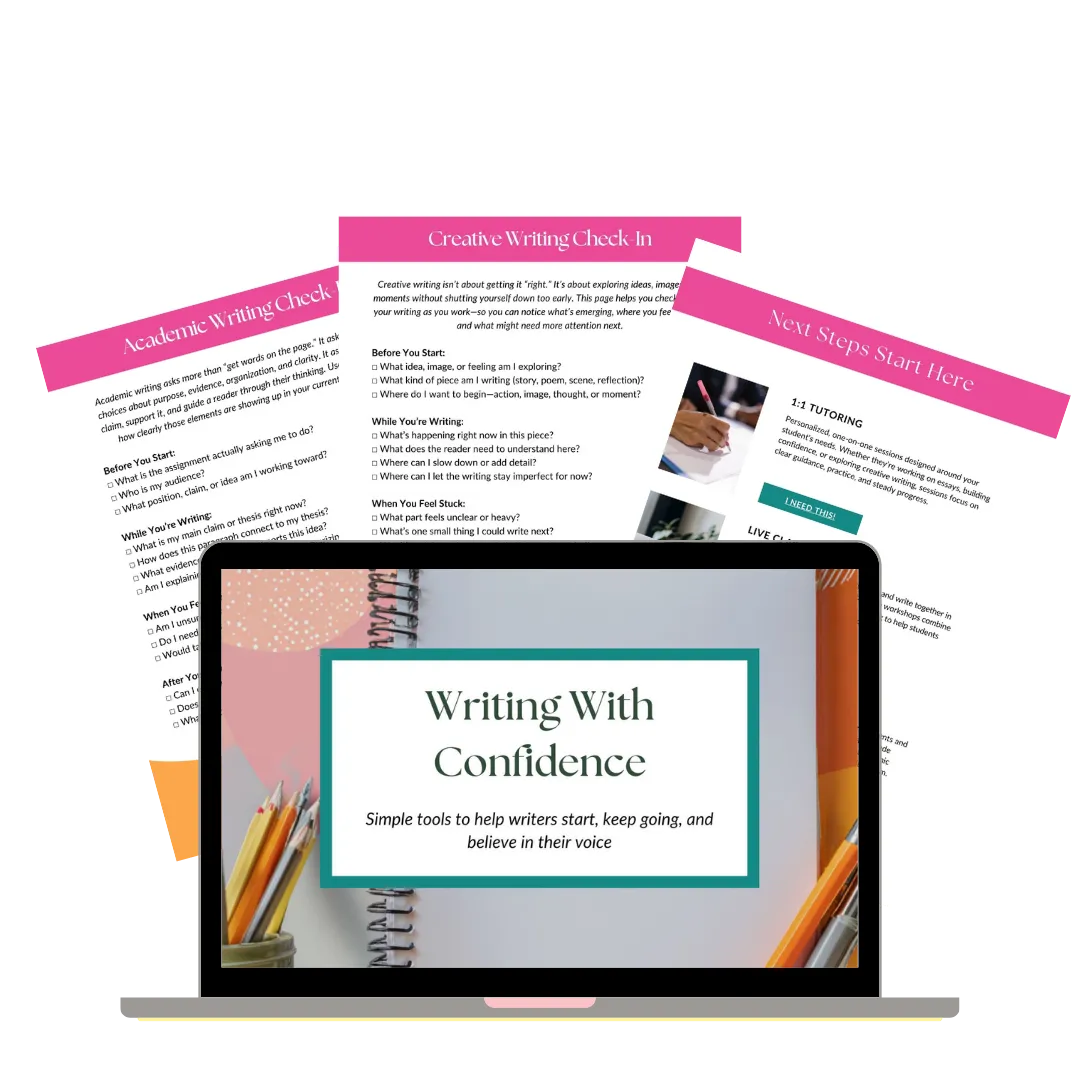
Writing With Confidence
Struggling with writing doesn’t mean a student can’t write. It usually means they don’t know what to do next. This FREE workbook helps uncover the missing steps, build confidence, and make the writing process manageable.
Writing With Diana: A Blog for Writers
If writing ever feels confusing or frustrating, writers aren’t alone. Writing With Diana helps writers build confidence and real writing skills through clear guidance, real examples, and strategies that actually work.

Finding Your Voice Through Character Dialogue
Finding Your Voice Through Character Dialogue
Whether you’ve been writing for years just hitting the starting line, discovering your authorial voice can feel like chasing a hummingbird—beautiful, elusive, and prone to dart away the moment you get close. But here’s the good news: your narrative voice often lives in the small moments, the offhand jokes, and the little quirks you give your characters. By mining character dialogue, you can unearth the cadence, tone, and personality that become unmistakably yours.
Why Dialogue Is a Voice Goldmine
Dialogue isn’t just back-and-forth chatter—it’s a spotlight on how your characters think, feel, and react. When you write conversation, you’re forced to choose exactly the right words, rhythms, and pauses. Those choices reveal your narrative voice more clearly than any description ever could.
Early on in my writing, I wrote some questionable stuff to be honest, but I had epic mentors who told me it was crap and then showed me how to make it stronger. It’s not the shit sando everybody wants, but it’s effective and makes you one hell of a strong writer.
The poetry and short stories I wrote then and still write now are narrative in nature. For a long time, it didn’t fit in well with the norm in publishing, but then Bookstagram helped me see that we, as readers, want to live in the murky feelings, the cringy dialogue, and the parts that make us feel what the characters are feeling. And that’s where dialogue comes in. It can persuade your readers to fall in love or hate a character. It can move your story along. It can create exposition. And that’s where we, as writers, find our voice.
The Three-Take Dialogue Drill
I wouldn’t be a good mentor if I didn’t give you some practice so here’s a quick writing exercise will help you isolate and amplify your style:
Pick a Scene: Choose a 200–300-word dialogue exchange from your work-in-progress (or draft a brand-new one).
Three Styles: Rewrite that exchange three times—in each, deliberately tweak the tone:
Your Natural Voice: Let your instincts guide the line breaks, tag choices, and slang.
Cartoony Exaggeration: Amp up every reaction. Over-the-top expressions, dramatic pauses, wild metaphors.
Minimalist Whisper: Strip it down—short sentences, sparse tags, no adverbs.
Compare & Reflect: Read all three aloud. Which version felt most “you”? Did the natural draft sound smoother, or did the minimalist version give you unexpected clarity? Jot down what rhythms, word choices, and sentence lengths felt right.
Tag, Rhythm, & Subtext: Your Secret Weapons
What? You thought I’d only give you one exercise? Below is a list of examples that you can apply to your current WIP.
Dialogue Tags & Action Beats
Standard tag:
“I can’t believe you did that,” Maria said.Action beat:
Maria’s lip curled. “I can’t believe you did that.”More vivid beat:
Maria slammed her coffee cup down, black liquid sloshing over the rim. “I can’t believe you did that.”
Action beats ground dialogue in physicality—showing your characters in motion, revealing emotion, and avoiding “he said/she said” monotony.
Rhythm & Pacing
Short bursts for urgency:
“Get out.”
“Now.”Medium flow for conversation:
“We can talk about this later, but right now I need to leave.”Longer, winding sentences for reflection or build-up:
“As the sun dipped below the horizon, painting the sky in bruised purples and fiery oranges, she realized the weight of her decision would follow her into every tomorrow.”
Your Turn: Take a tense scene and rewrite it three ways—one paragraph of clipped, staccato lines; one of measured medium sentences; one of long, flowing descriptions. Which version best fits the mood you want?
The Power of Subtext
What your characters don’t say often tells the story more powerfully than their spoken words.
I once drafted a poem about my parents’ journey—two stanzas in neat English, polite and polished. It felt…well, generic. Then it hit me: I was erasing the Portuguese idioms they’d lived by. So I rewrote, folding in a whispered “saudade” at the end of one line and letting “fado” hover un-translated in another. Suddenly the poem breathed with that memory: each code-switched word carrying the weight of family history and that first-gen tension between languages.
Dodging a question:
“Did you finish the report?”
He cleared his throat. “Actually, I—I ran into a snag.”Filler as a shield:
“I, um, thought maybe we could, you know, talk sometime.”Topic shift to avoid truth:
“So…nice weather we’ve been having.”
Show don’t tell: These hesitations and topic swaps hint at insecurity, fear, or hidden motives without spelling them out.
Quick Practice:
Tag Swap: Replace five “he said” or “she said” tags with action beats.
Rhythm Remix: Choose a calm scene and rework it into short, punchy sentences; then reverse—stretch a tense moment into longer, breathless prose.
Subtext Spotlight: Write a two-line dialogue where a character avoids admitting something crucial—reveal their fear through a gesture or change of subject.
Master these techniques, and your dialogue will crackle with voice, tension, and the unspoken truths that keep readers hooked.
Applying Dialogue-Drive Voice Across Genres
You’re not limited to contemporary fiction—creative storytelling techniques translate everywhere:
Historical Novels: Let your period dialogue carry modern emotional beats. A Regency lady may say, “I regret to inform you,” but her clipped tone can mirror today’s dry wit.
Sci-Fi & Fantasy: Invent slang and idioms that reflect your world, but let emotional subtext root your characters in relatable humanity.
Memoir & Creative Nonfiction: Yes, you can “write real” and recreate family conversations to showcase your personal voice, just be mindful of truth and clearance.
Keep a Dialogue Journal
Whenever you overhear an intriguing snippet like your barista’s snappy comeback, your friend’s half-joked confession, capture it. Build a writing exercises notebook full of real-life rhythms and speech patterns. Later, you can remix those beats into your fiction, infusing your scenes with genuine life.
Your Challenge This Week:
Complete the Three-Take Dialogue Drill on two different scenes.
Share at least one version with a critique partner or writing group.
Journal your takeaways: What patterns did you discover about your voice?
By intentionally experimenting with character dialogue, you’ll sharpen your narrative voice, build confidence in your authorial style, and craft stories that feel unmistakably yours. Happy writing!
🖤 Diana
📌 Follow my journey & get exclusive writing resources:
🔗 Join my newsletter
📚 Explore my resources
📖 Follow me on Instagram
Remember you don't need more words. You just need better ones.

Frequently Asked Question
General Questions
What subjects do you offer tutoring in?
I offer English tutoring across all grade levels, from middle school through college, including AP Lit and AP Lang test preparation and support in key areas such as reading comprehension, academic and creative writing, grammar and composition, rhetorical analysis, and research skills.
Are sessions conducted online or in-person?
All tutoring sessions and live classes are online.
Can I customize the tutoring schedule?
Yes! I offer flexible scheduling to fit your availability, ensuring that learning fits seamlessly into your student's routine.